

Occupational therapists helping children and families thrive
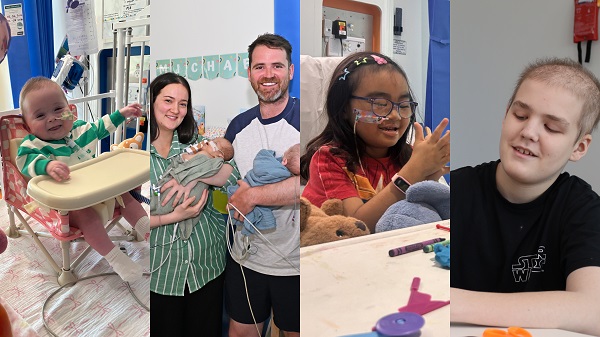 From left is Tilly, Thomas and Michael with parents, Ellen and Matthew.
From supporting premature babies in intensive care to helping young people navigate serious illness, occupational therapists across the Child and Adolescent Health Service (CAHS) are making a meaningful difference in the lives of children, young people and families every day.
This Occupational Therapy Week, CAHS recognised the important contribution of occupational therapists – celebrating the 2026 theme, Participation Matters.
Occupational therapists work across Perth Children's Hospital (PCH) and Neonatology, Child and Adolescent Community Health and Child and Adolescent Mental Health Services, helping children and young people develop independence, build confidence and participate in the activities that matter most to them.
Their work spans all stages of a child's healthcare journey, from supporting development in the earliest days of life through to helping children and young people manage illness, recovery and transition back into everyday life.
For twins Thomas and Michael, that support began before they had even left intensive care.
Born 15 weeks early, the brothers are spending their first months in PCH's Neonatal Intensive Care Unit (NICU), where occupational therapists are part of the multidisciplinary team supporting their development, comfort and wellbeing. OTs work alongside families and clinicians to support feeding, positioning and sensory development, while helping parents understand and respond to their babies' cues and needs.
Their mother, Rachel, said the team's support had helped make a challenging time more manageable.
"The OTs take a holistic approach, considering our babies' developmental needs but also their comfort and wellbeing. They have helped us to think of practical solutions to help our babies cope with the many cares and procedures that they have had during their NICU stay. Their support has helped to make our babies' time in the NICU more meaningful, comfortable and positive."
Occupational therapists also play an important role in helping children continue to learn, play and achieve developmental milestones during extended hospital admissions.
Born at 31 weeks, Tilly spent 312 days in hospital before finally returning home to her family in August. Throughout more than 8 months at PCH, occupational therapists supported her play, feeding, development and emotional regulation while helping make medical procedures less stressful and more predictable.
As preparations began for her discharge home with a tracheostomy and other life-sustaining medical equipment, the OT team worked closely with Tilly and her family to build the skills, confidence and routines needed for this significant transition.
Reflecting on their experience, Tilly's family said the impact of occupational therapy extended well beyond clinical care.
"The genuine care and connection they show to both children and their families makes such a difference. We are so grateful for the care, patience and dedication the OT team have shown Tilly and our family throughout what has been an incredibly long and challenging journey."
For 6-year-old Ellen, occupational therapy provided support during an extended hospital stay following a diagnosis of severe aplastic anaemia.
Alongside her medical treatment, occupational therapists helped Ellen understand her diagnosis and develop strategies to cope with challenging procedures, while ensuring she could continue participating in the everyday activities that were important to her.
The same approach has supported 14-year-old Matthew throughout his treatment for leukaemia at PCH.
Gifted in mathematics, music and robotics, Matthew has spent much of the past 4 months in hospital. Occupational therapists on the Oncology ward have helped him understand his diagnosis, adapt to hospital routines, manage stressful medical procedures, accommodate his sensory and communication preferences, and continue engaging in the interests and activities he enjoys.
"My OTs were like a ray of light in a dark time," Matthew said.
"They did fun things with me that helped me feel better and get ready to go back to school."
Matthew's mother said occupational therapy had helped him develop confidence and independence during a difficult period.
"OT has been a comforting presence whilst Matthew learns to cope with medical procedures, without sedation. He has learnt how to start advocating for his physical, mental and emotional needs with medical staff, and in life, whilst building up his independence and interpersonal skills."
CAHS Director of Allied Health Rachel Resuggan said occupational therapists play a critical role in helping children and young people participate in everyday life, regardless of the challenges they may be facing.
"Whether supporting a premature baby in intensive care, helping a child maintain developmental milestones during a long hospital stay, or assisting a young person to return to school after treatment, occupational therapists focus on enabling participation, independence and quality of life."